













MUNAFA ERP

One ERP for Sales, Purchase, Inventory, Accounts &
Customer Loyalty

Munafa ERP replaces spreadsheets, disconnected billing tools and separate loyalty apps with a single system — built for businesses that sell products, deliver services, or both. Works online and offline, so operations never stop.

250+ Businesses on Munafa ERP
99% Uptime, Online or Offline
GST-Compliant Billing, Built In
Loyalty Engine Included

Your billing engine and
your loyalty engine,
finally the same system

The problem with most ERPs

Most ERPs handle inventory, billing and accounts — but treat customer retention as someone else's problem. Businesses run a separate loyalty tool, export data by hand, and lose the link between what a customer buys and what they're rewarded for.

The Munafa Difference

Munafa is built by Loyaltics — a company that specializes in loyalty and retention. Loyalty isn't bolted on top; it's wired into sales, purchase and billing, so every invoice can trigger points, offers and redemptions automatically — no middleware, no manual reconciliation.

Munafa is the only ERP where your billing engine and your loyalty engine are the same system.

CORE MODULES

Everything you need to run the business, in one place

Sales Management

Invoices, challans, sales returns and adjustment notes from one workflow — every transaction updates stock and accounts in real time.

Purchase Management

Record purchases, returns and adjustment notes with full vendor tracking. Stock and payables update the moment a purchase is logged.

Master Data Control

Central masters for employees, parties, products, expenses, cash and bank — the single source of truth every module draws from.

GST & Configuration

Set GST rates, brands, categories, payment modes and expense types once — applied consistently across sales, purchase and reporting.

Loyalty Offer Engine

Design Base Offers and Coupon Offers inside the ERP. Reward purchases, run promotions and track redemptions — no export to a third-party tool.

Reports & Analytics

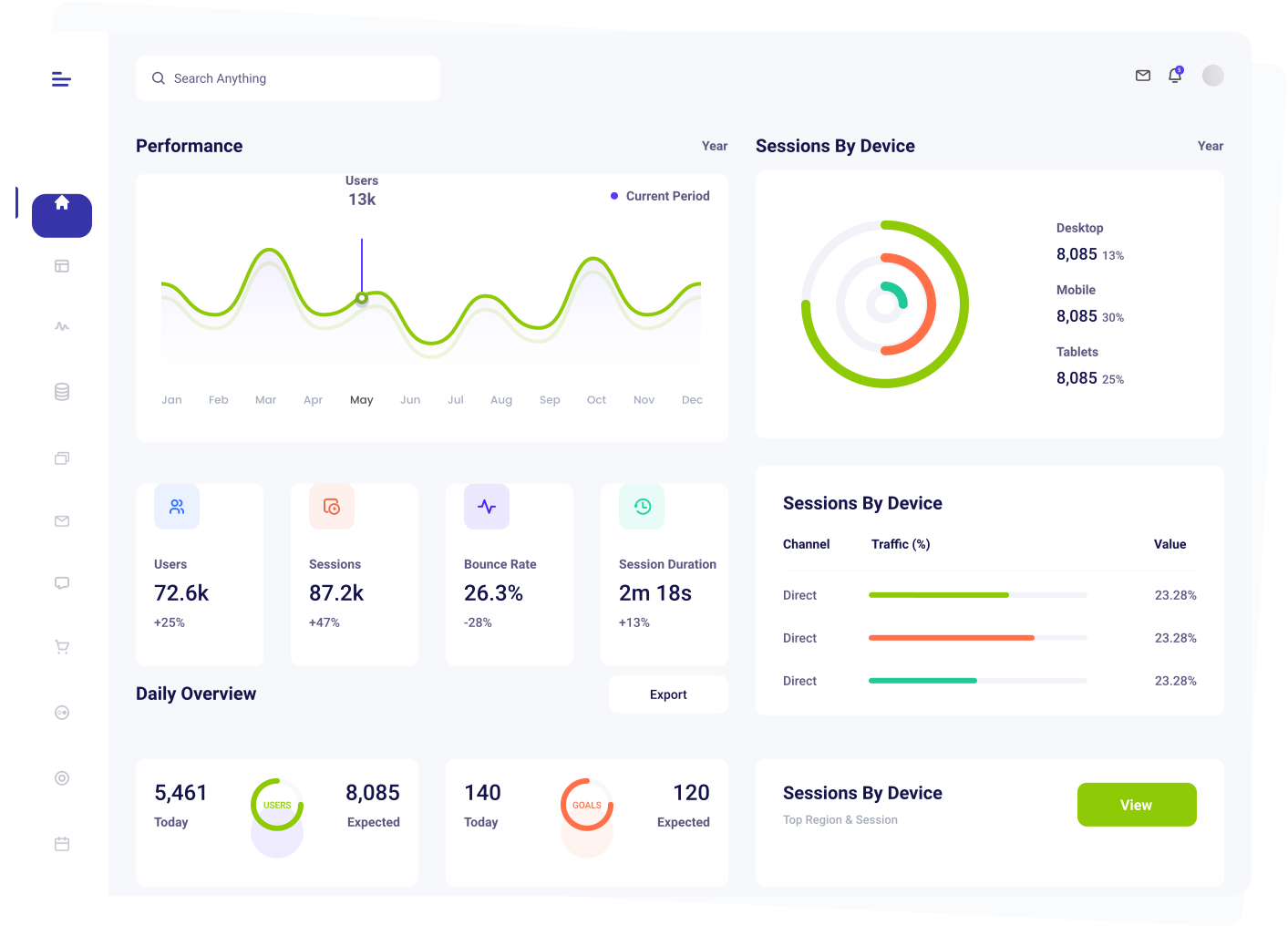
Nine reports out of the box — Parties, Stock, Sales, Purchase, GST, Offers, Redemption, Ledger and P&L — the numbers you need without a BI tool.

Multi-Company & Subscription

Run multiple companies or branches under one login, with subscription and plan management built into the same dashboard.

Support Built In

In-app ticket support means issues get logged and tracked without ever leaving the platform.

One ERP, Two Business Models

For Product Businesses

Full stock and inventory tracking, purchase-to-sale flow, batch and category management, GST-compliant invoicing, and stock reports that keep shrinkage and dead stock visible.

For Service Businesses

Skip the inventory overhead—use the same billing, GST, accounts and loyalty engine to invoice services, track expenses and reward repeat clients without paying for stock features you don't need.

For Hybrid Businesses

Sell products and bill services from the same account, the same customer ledger and the same loyalty program— no reconciling two systems.

Never Stop Billing, Even Without Internet

Munafa ERP runs in both modes—so a connectivity drop never stops a sale. This matters most for retail counters, warehouses and field operations in areas with inconsistent internet, a common gap in cloud-only ERPs.

Online

Real-time sync across branches, cloud backup, access from anywhere and live dashboards.

Offline

Keep billing, recording purchases and managing stock during connectivity drops. Data syncs automatically once you're back online.

Business Outcomes, Not Just Features

01

Cut Reconciliation Time

One ledger for sales, purchase and loyalty means no manual matching between systems at month-end.

02

Stay GST-Ready, Always

Built-in GST configuration and a dedicated GST Report reduce filing errors and last-minute scrambling.

03

Turn Every Invoice Into Retention

Because loyalty is native to billing, every sale can earn points automatically—no integration lag, no missed transactions.

04

See Profit in Real Time

P&L, Stock and Parties Ledger reports give you a live financial picture instead of a month-end surprise.

Live in Four Steps

1

Set Up Your Masters

Add products, parties, employees, GST rates, and payment modes once.

2

Configure Loyalty Rules

Define Base Offers and Coupon Offers tied to products, categories, or invoice value.

3

Run Sales & Purchase

Bill customers, record purchases, issue challans, while stock and accounts update automatically.

4

Track, Report & Reward

Generate GST, stock, sales and redemption reports. Customers redeem points on their next visit.

Engagement & Growth Across Every Sector

Oil & Gas

Fuel retention across stations and dealers.

Retail

Turn every shopper into a brand advocate.

Lubricants

Reward mechanics and channel partners.

Automotive Aftermarket

Drive loyalty across the aftermarket.

Adhesives

Engage contractors and fabricators.

Construction

Strengthen dealer and applicator bonds.

Paints

Boost painter and retailer engagement.

Animal Feeds

Build trust across the farm supply chain.

What Our Clients Say

Blog & News

june 1, 2026
How Gamification Can Supercharge Your Loyalty Program

Why Gamification Works in Loyalty Programs Gamification uses game-like elements—points, badges, leaderboards, challenges—to make your loyalty program fun, interactive, and addictive. It taps into human psychology: we love progress, competition, and rewards. This makes customers more likely to participate and return.

September 1, 2025
Why Small Businesses Need Loyalty Programs More Than Big Brands

Small Businesses Don’t Just Compete on Price—They Compete on Loyalty Big brands have marketing budgets, celebrity endorsements, and massive reach. But what small businesses have—and often overlook—is the power of personal relationships. And in 2025, where customer trust is everything,

July 10, 2025
Top 5 Mistakes Businesses Make With Loyalty Programs (And How to Avoid Them)

Why Some Loyalty Programs Fail (Even With Great Intentions) A loyalty program is supposed to drive repeat sales, build trust, and reward your best customers. So why do many businesses launch programs that flop—or worse, turn off their customers?